

The most devastating failures in aerospace aren’t always mechanical—they’re cognitive. Human biases shape how we interpret data, make decisions, and react to anomalies. With more than 180 identified cognitive biases influencing human
Author Archives: Patti Arnott

21
Apr
Apr
In aerospace, we engineer redundancies, automate safeguards, and systematize risk management. Yet, one of the most persistent threats to safety doesn’t come from hardware or software—it comes from human cognition.

14
Apr
Apr
To do that, you need more than just data—you need insight. You need systems that don’t just track events but connect the dots between what’s happening, why it’s happening, and what to do about it.

07
Apr
Apr
Building on our understanding of psychological safety, leaders need to implement practical strategies that nurture this environment within their teams. Research by Timothy R. Clark outlines the Four Stages of Psychological Safety, which serve as a
31
Mar
Mar
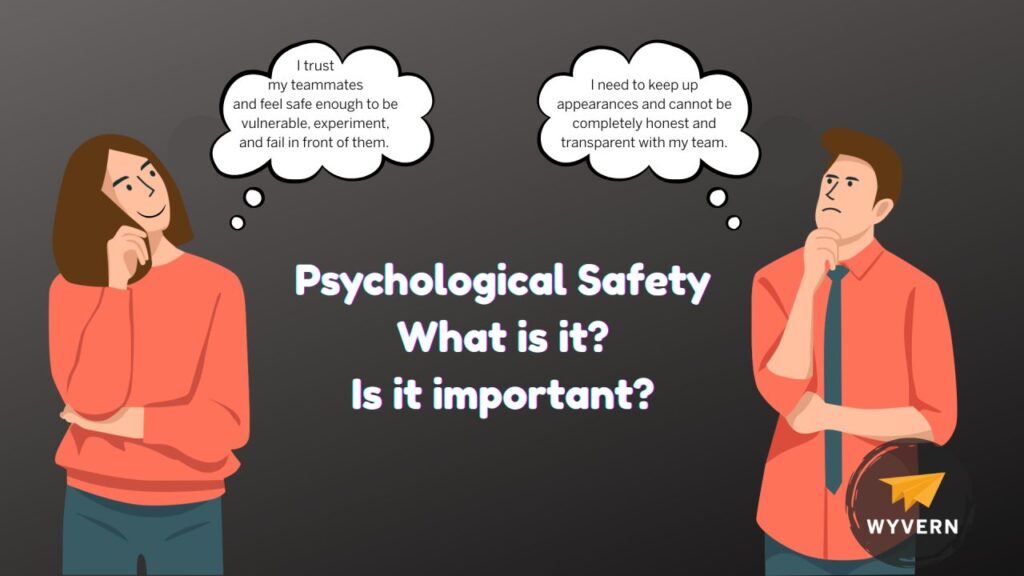
In today’s dynamic work environment, fostering psychological safety is paramount for cultivating high-performing teams. Psychological safety refers to an individual’s perception of the consequences of taking interpersonal risks in a particular

24
Mar
Mar
In a recent article, former NTSB Chairman Robert Sumwalt emphasizes that cultivating a robust safety culture is an ongoing journey, not a final destination. He warns against complacency, highlighting the importance of a continuous

17
Mar
Mar
In aerospace, the quality of pre-flight briefings and post-flight debriefings plays a critical role in ensuring safety and performance. Over time, the aerospace industry has learned from past accidents and mishaps that ineffective briefings contribute
Newsletter
Elevating Professionalism in Aerospace: Part 6 – Cultivating and Sustaining Professionalism

10
Mar
Mar
Professionalism in aerospace is not a one-time achievement – it’s a continuous commitment. The best aerospace professionals and organizations understand that professionalism must be cultivated, reinforced, and sustained over time. It requires
Newsletter
Elevating Professionalism in Aerospace: Part 5 – Professionalism as a Competitive Advantage

03
Mar
Mar
Professionalism is more than a guiding principle in aerospace – it’s a competitive advantage. Organizations that consistently demonstrate professionalism earn trust, attract business, and build long-term success. Whether it’s through superior safety
Newsletter
Elevating Professionalism in Aerospace: Part 4 – The Link Between Professionalism and Safety

24
Feb
Feb
Professionalism and safety in aerospace are inseparable. A culture of professionalism – both at the individual and organizational levels – directly impacts risk management, operational efficiency, and, ultimately, flight safety. It’s no coincidence that the safest operators in the