

Global Safety Challenges: How Do We Speak the Same Language? Safety doesn’t start with systems. It begins with understanding.
Category Archives: Newsletter

12
May
May
At the 70th Business Aviation Safety Summit (BASS), the aerospace community faced a brutal truth: even as traditional accident rates decline, mental health-related risks are rising. From pilot suicide to chronic burnout, the dangers we don’t talk about may be the ones hurting us most.

05
May
May
At WYVERN, our vision is clear: Every aerospace organization has a healthy safety culture. Why? Because culture is the invisible force that shapes every decision, every action, and every outcome in aerospace. It influences how teams communicate under

28
Apr
Apr
The most devastating failures in aerospace aren’t always mechanical—they’re cognitive. Human biases shape how we interpret data, make decisions, and react to anomalies. With more than 180 identified cognitive biases influencing human

21
Apr
Apr
In aerospace, we engineer redundancies, automate safeguards, and systematize risk management. Yet, one of the most persistent threats to safety doesn’t come from hardware or software—it comes from human cognition.

14
Apr
Apr
To do that, you need more than just data—you need insight. You need systems that don’t just track events but connect the dots between what’s happening, why it’s happening, and what to do about it.

07
Apr
Apr
Building on our understanding of psychological safety, leaders need to implement practical strategies that nurture this environment within their teams. Research by Timothy R. Clark outlines the Four Stages of Psychological Safety, which serve as a
31
Mar
Mar
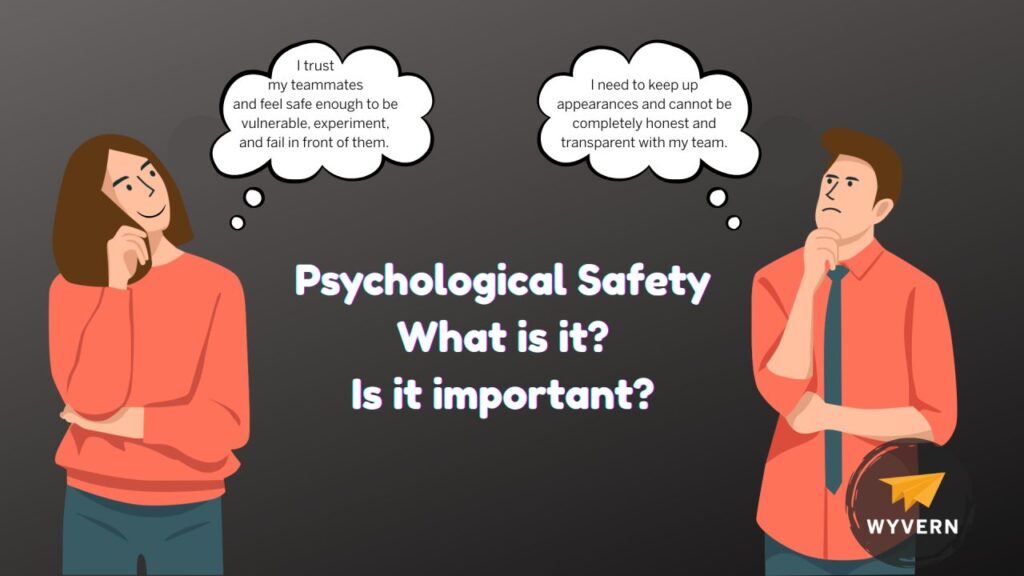
In today’s dynamic work environment, fostering psychological safety is paramount for cultivating high-performing teams. Psychological safety refers to an individual’s perception of the consequences of taking interpersonal risks in a particular

24
Mar
Mar
In a recent article, former NTSB Chairman Robert Sumwalt emphasizes that cultivating a robust safety culture is an ongoing journey, not a final destination. He warns against complacency, highlighting the importance of a continuous

17
Mar
Mar
In aerospace, the quality of pre-flight briefings and post-flight debriefings plays a critical role in ensuring safety and performance. Over time, the aerospace industry has learned from past accidents and mishaps that ineffective briefings contribute