


The Theory of Planned Behavior: Putting It All Together
🔑 Safe behavior doesn’t happen by chance. It occurs when attitudes, subjective norms, and perceived behavioral control align. In the final part of our Theory of Planned Behavior series, we show how leaders can bring it all together to shape safer outcomes.
Continue Reading
29
Sep
Sep

Confidence, Control, and the Choices We Make
Have you ever wanted to do the right thing, but felt the odds were stacked against you? That space between intention and action is where Perceived Behavioral Control (PBC) comes in.
Continue Reading
22
Sep
Sep

Social Norms in Action: How Group Pressure Shapes Safety
Social norms aren’t just background noise. They quietly set the tone for what feels acceptable. Whether you’re in the flight deck, the hangar, or the office, most of us are scanning for cues: What’s everyone else doing? What’s expected here?
Continue Reading
15
Sep
Sep

Why We Follow the Crowd (and When It Matters for Safety)
Have you ever been invited to an event where everyone else seemed to know the dress code—formal suits, elegant gowns—while you showed up in something more casual? That uneasy feeling comes from what psychologists call subjective norms—the unspoken pressure to fit in and act the way others expect.
Continue Reading
08
Sep
Sep

Roots of Safety Attitudes: Past, Training, and Culture
In aerospace, we often say that “attitude is everything.” But where do those attitudes actually come from? And more importantly, how can organizations influence them toward safe outcomes?
Continue Reading
02
Sep
Sep

The Power of Attitude
Ajzen described attitude toward a behavior as “the degree to which a person has a favorable or unfavorable evaluation or appraisal of the behavior in question” (Ajzen, 1991). In plain terms, it’s whether we think doing something will lead to outcomes we value.
Continue Reading
25
Aug
Aug

The Hidden Forces Behind Behavior
Why do you decide to go for a run, recycle a bottle, or speak up in a meeting? It might feel like a spur-of-the-moment choice—but science says otherwise.
Continue Reading
18
Aug
Aug

Heartbeats in Flight: A Real Look at Cardiovascular Risk
In aerospace, we've spent decades engineering for everything—redundancy, automation, procedural discipline. But the human element remains the most variable and arguably the most vulnerable. One risk that rarely gets front-and-
Continue Reading
09
Jun
Jun

SPIs: Turning Safety Vision into Measurable Action
In aerospace, performance isn't just about how an aircraft flies—it's about how an organization leads.
Continue Reading
02
Jun
Jun

Culture Is the Broth: Safety and Retention Begin Within
"If you think of safety as a stew, the culture is the broth in which the solid ingredients simmer. If the broth is rancid, the stew will be spoiled." — Dr. Steven Simon
Continue Reading
27
May
May

What You Said vs. What They Heard: The Safety Gap
Global Safety Challenges: How Do We Speak the Same Language? Safety doesn't start with systems. It begins with understanding.
Continue Reading
19
May
May

Mental Health in Aerospace: What We’re Still Not Talking About
At the 70th Business Aviation Safety Summit (BASS), the aerospace community faced a brutal truth: even as traditional accident rates decline, mental health-related risks are rising. From pilot suicide to chronic burnout, the dangers we don't talk about may be the ones hurting us most.
Continue Reading
12
May
May
Advancing the Vision of a Healthy Safety Culture
At WYVERN, our vision is clear: Every aerospace organization has a healthy safety culture. Why? Because culture is the invisible force that shapes every decision, every action, and every outcome in aerospace. It influences how teams communicate under
Continue Reading
05
May
May

Recognize, Reflect, Reengineer—Fighting Bias in Aerospace Systems
The most devastating failures in aerospace aren’t always mechanical—they’re cognitive. Human biases shape how we interpret data, make decisions, and react to anomalies. With more than 180 identified cognitive biases influencing human
Continue Reading
28
Apr
Apr
The Hidden Hazard—Cognitive Bias in Aerospace Safety
In aerospace, we engineer redundancies, automate safeguards, and systematize risk management. Yet, one of the most persistent threats to safety doesn't come from hardware or software—it comes from human cognition.
Continue Reading
21
Apr
Apr

CASS Knows What. SMS Knows Why.
To do that, you need more than just data—you need insight. You need systems that don't just track events but connect the dots between what's happening, why it's happening, and what to do about it.
Continue Reading
14
Apr
Apr
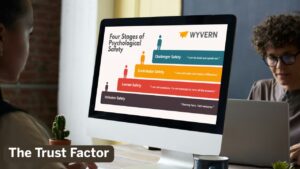
The Trust Factor: How Psychological Safety Drives Team Performance
Building on our understanding of psychological safety, leaders need to implement practical strategies that nurture this environment within their teams. Research by Timothy R. Clark outlines the Four Stages of Psychological Safety, which serve as a
Continue Reading
07
Apr
Apr
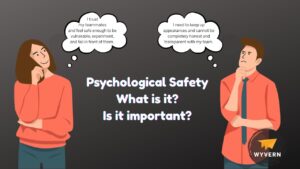
From Fear to Fearless: Building High-Performing Teams with Psychological Safety
In today's dynamic work environment, fostering psychological safety is paramount for cultivating high-performing teams. Psychological safety refers to an individual's perception of the consequences of taking interpersonal risks in a particular
Continue Reading
31
Mar
Mar

Think Your Safety Culture Is Rock-Solid? Here’s Why You Might Be Wrong
In a recent article, former NTSB Chairman Robert Sumwalt emphasizes that cultivating a robust safety culture is an ongoing journey, not a final destination. He warns against complacency, highlighting the importance of a continuous
Continue Reading
24
Mar
Mar
WYVERN Briefing & Debriefing Guidance: Enhancing Safety and Performance
In aerospace, the quality of pre-flight briefings and post-flight debriefings plays a critical role in ensuring safety and performance. Over time, the aerospace industry has learned from past accidents and mishaps that ineffective briefings contribute
Continue Reading
17
Mar
Mar

Elevating Professionalism in Aerospace: Part 6 – Cultivating and Sustaining Professionalism
Professionalism in aerospace is not a one-time achievement - it’s a continuous commitment. The best aerospace professionals and organizations understand that professionalism must be cultivated, reinforced, and sustained over time. It requires
Continue Reading
10
Mar
Mar
Elevating Professionalism in Aerospace: Part 5 – Professionalism as a Competitive Advantage
Professionalism is more than a guiding principle in aerospace - it’s a competitive advantage. Organizations that consistently demonstrate professionalism earn trust, attract business, and build long-term success. Whether it’s through superior safety
Continue Reading
03
Mar
Mar
Elevating Professionalism in Aerospace: Part 4 – The Link Between Professionalism and Safety
Professionalism and safety in aerospace are inseparable. A culture of professionalism - both at the individual and organizational levels - directly impacts risk management, operational efficiency, and, ultimately, flight safety. It's no coincidence that the safest operators in the
Continue Reading
24
Feb
Feb

Elevating Professionalism in Aerospace: Part 3 – Organizational Professionalism: Building a Culture of Excellence
In the aerospace industry, professionalism isn’t just an individual trait - it must also be deeply embedded in an organization’s culture. While personal professionalism is the foundation, organizational professionalism is what sustains excellence across
Continue Reading
17
Feb
Feb

Elevating Professionalism in Aerospace: Part 2 – Personal Professionalism: The Foundation of Safety
In aerospace, professionalism is more than just a desirable trait - it’s a fundamental pillar of safety and operational success. While professionalism exists at both the individual and organizational levels, it starts with the individual. Every pilot,
Continue Reading
10
Feb
Feb

Elevating Professionalism in Aerospace: Part 1 – Defining Professionalism in Aerospace
Professionalism is more than just a buzzword - it’s the foundation of a safe, efficient, and respected aerospace industry. At WYVERN, professionalism is one of our core values because it drives every aspect of our mission: protecting lives by
Continue Reading
03
Feb
Feb

Understanding and Managing Fatigue in General Aviation – Part 3
Effectively managing fatigue requires more than just understanding its causes; it necessitates a structured and proactive approach. This newsletter outlines the steps to implement a comprehensive Fatigue Management Program (FMP) tailored
Continue Reading
27
Jan
Jan
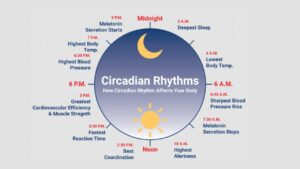
Understanding and Managing Fatigue in General Aviation – Part 2
Fatigue is rooted in biological processes that affect every human being. To effectively manage fatigue in general aviation, it is crucial to understand the science behind it. This newsletter explores the role of sleep, circadian rhythms, and
Continue Reading
21
Jan
Jan
Understanding and Managing Fatigue in General Aviation – Part 1
Fatigue is a significant concern in general aviation, where long hours, irregular schedules, and operational demands can adversely affect safety and performance. In this newsletter, we introduce the concept of fatigue, its implications for aviation,
Continue Reading
13
Jan
Jan

Grounding the Dirty Dozen of Human Errors – Part 3
Welcome to the final part of our series on the Dirty Dozen! This time, we’re tackling the remaining six elements - common human factors that, if unaddressed, can lead to incidents in aviation. Understanding these factors and applying
Continue Reading
06
Jan
Jan

Grounding the Dirty Dozen of Human Errors – Part 2
Aviation safety relies on accuracy, discipline, and a solid grasp of human factors. A key concept in this area is The Dirty Dozen. In the previous newsletter, we identified the twelve elements shown below. This issue explores the first six
Continue Reading
30
Dec
Dec
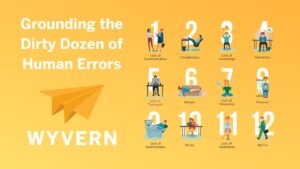
Grounding the Dirty Dozen of Human Errors – Part 1
Aviation safety relies on precision, discipline, and a thorough understanding of human factors. A pivotal tool in promoting this understanding is the concept of The Dirty Dozen. But what is it, and why has it become so integral to aviation
Continue Reading
23
Dec
Dec

Connecting the Dots: Human Factors and SMS
Achieving excellence in aviation safety requires more than just compliance with regulations - it demands an ingrained culture of safety supported by a strong understanding of Human Factors. By seamlessly integrating Human Factors into
Continue Reading
16
Dec
Dec

Managing Errors – Turning Mistakes into Opportunities
Making mistakes isn’t a failure—it’s part of being human. Research suggests that we make 3-6 errors every waking hour, whether driving, working, or running daily errands. Most of these errors don’t have serious consequences because we
Continue Reading
09
Dec
Dec